Navigating Microtransactions: A Gamer's Guide to Smart Spending and Ethical Choices in Online Games
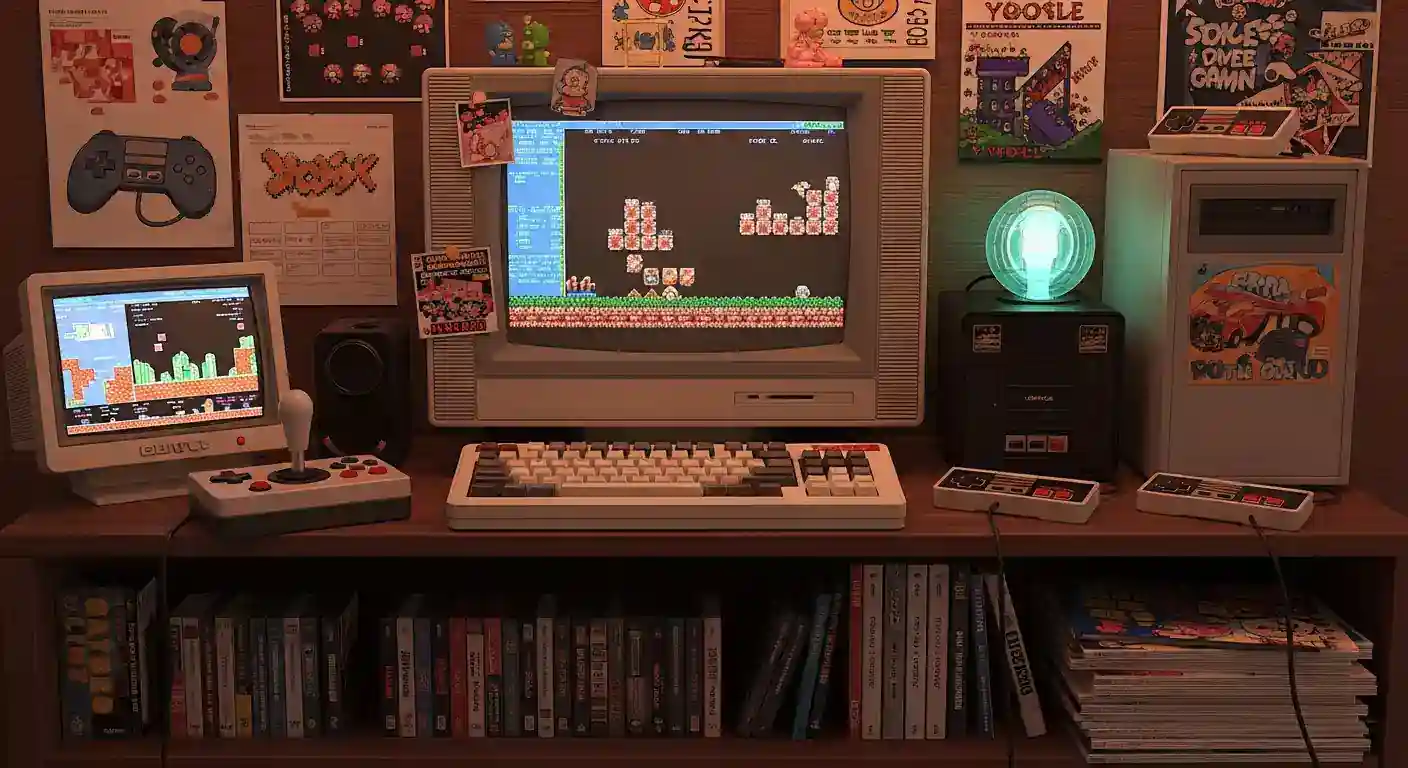
Navigating Microtransactions: A Gamer's Guide to Smart Spending and Ethical Choices in Online Games
The landscape of online gaming has dramatically shifted with the pervasive integration of microtransactions, digital purchases that allow players to buy virtual goods or advantages within a game. While these systems often fund free-to-play titles and support ongoing development, they also present a complex challenge for players balancing enjoyment with responsible financial decisions. This comprehensive guide aims to empower you by offering strategies for navigating microtransactions, fostering smart spending habits, and making ethical choices in a constantly evolving digital economy. Understanding the mechanics and psychology behind these systems is crucial for a healthier gaming experience.
Key Points for Smart Microtransaction Management:
- Understand Value: Evaluate if purchases enhance gameplay or are purely cosmetic.
- Set Budgets: Establish clear spending limits and stick to them diligently.
- Recognize Tactics: Learn to identify psychological triggers used by game developers.
- Prioritize Ethics: Support games with transparent and fair monetization models.
- Advocate Wisely: Use your voice to promote player-friendly practices in the industry.
Understanding the Landscape of In-Game Purchases
Microtransactions, at their core, are small monetary transactions made for virtual items, currency, or content within video games. They've become a dominant monetization model, especially in online, mobile, and free-to-play titles. From cosmetic skins and emotes to "pay-to-win" power-ups and expedited progression, these purchases significantly impact how we play and interact with our favorite games. Their prevalence has led to a major shift from traditional upfront purchases, creating a dynamic market where player spending is continuous.
Game developers employ various types of microtransactions, each with its own appeal and potential pitfalls. Cosmetic items, like character outfits or weapon skins, offer personalization without affecting gameplay balance. Battle Passes provide a tiered reward system for playing and often include both free and premium tracks, encouraging consistent engagement. Then there are Loot Boxes, randomized rewards that can contain anything from common cosmetics to rare, powerful items. This variety requires players to be discerning about what they're buying.
The Psychology Behind Microtransactions and Smart Spending
The success of microtransactions isn't accidental; it's often rooted in sophisticated psychological principles designed to encourage spending. Game designers frequently leverage concepts like FOMO (Fear Of Missing Out) through limited-time offers or exclusive event passes. The desire for social recognition also plays a role, as players may buy unique cosmetics to stand out. Developers also use loss aversion, making players feel like they're missing out on value if they don't complete a collection or buy a discounted bundle.
One critical aspect of smart spending in games involves recognizing these tactics and developing strategies to counteract them. It's essential to critically evaluate whether a purchase genuinely enhances your enjoyment or is simply a reaction to psychological pressure. Consider the long-term value: will this item still be relevant in a month, or is its appeal fleeting? Establishing a strict personal budget for in-game purchases is arguably the most effective defense against impulsive spending. Many gamers find it helpful to allocate a specific, non-essential amount monthly.
Identifying Predatory Practices and Making Ethical Choices
While many microtransaction systems are benign, some cross into what many consider predatory territory. Loot boxes, in particular, have faced intense scrutiny due to their gambling-like mechanics, leading to regulatory debates globally. A 2024 report by a consumer advocacy group highlighted that over 40% of parents expressed concern about children's exposure to loot boxes, citing potential addiction risks. Understanding these nuances is key to making ethical choices in gaming.
Developers can also create "pay-to-win" scenarios, where real money grants a significant competitive advantage, alienating players who prefer skill-based progression. Recognizing these patterns allows players to vote with their wallets by supporting games that prioritize fair play and transparent monetization. It's about discerning between a developer trying to sustain their game and one exploiting player vulnerabilities. For further insight into problematic monetization models, an article on the evolution of in-game monetization provides historical context.
Differentiated Value: The Battle Pass Model vs. Randomization
One significant industry trend, offering a different approach to monetization, is the rise of the Battle Pass. Unlike the often criticized loot box system, which offers randomized rewards, Battle Passes provide a clear progression path with predefined rewards for achieving specific levels or challenges. This model offers greater transparency, allowing players to see exactly what they're working towards and for what price. This move reflects a growing industry effort to balance profitability with player satisfaction.
According to a 2023 industry analysis by GamesIndustry.biz, games featuring Battle Passes saw an average 25% increase in player retention compared to those relying solely on loot boxes or direct purchase cosmetics. This data suggests a positive correlation between predictable reward systems and sustained player engagement. This trend indicates a shift towards more player-friendly monetization strategies, moving away from pure chance. Choosing games that employ such transparent systems helps foster a healthier gaming ecosystem.
Preserving Player Value: Beyond the Price Tag
The true value of a game often extends far beyond its initial purchase price or the sum of its microtransactions. Many gamers find deep enjoyment in the narrative, community, and skill-building aspects of gameplay. Prioritizing these intrinsic elements can help temper the urge to spend on fleeting virtual goods. Reflecting on past gaming experiences, especially those from eras with simpler monetization, can remind us about what truly makes games great. Consider the long-term impact on your enjoyment and mental well-being before making a purchase. This perspective helps in navigating microtransactions without sacrificing the core joy of gaming.
Supporting games that prioritize player experience over aggressive monetization also contributes to a better industry. When we opt for titles with fair systems, we send a strong message to developers about consumer expectations. For deeper reflections on foundational game design principles and preserving the core gaming experience, you might explore the Retro Game Reviews & Classic Recommendations category. Understanding loot boxes and their societal impact is also crucial for informed decision-making, which you can learn more about in our detailed piece on understanding loot boxes.
Making Informed Decisions and Cultivating a Healthy Gaming Budget
To effectively manage microtransactions, start by auditing your current spending habits. Track where your money is going in games, and critically assess whether each purchase brought lasting satisfaction. Implementing parental controls or platform spending limits can also be invaluable tools for both adults and younger players. Engage with community discussions, read reviews, and seek out transparent information about a game's monetization model before committing. Ultimately, the power to shape the future of in-game purchases lies with informed and empowered players.
FAQ Section
Q1: What are the main types of microtransactions I should be aware of? A1: The primary types include cosmetic items (like skins or emotes), utility items (time-savers or experience boosts), virtual currency, and random reward systems such as loot boxes. Battle Passes, offering tiered rewards over a season, have also become incredibly popular, providing a structured progression for players.
Q2: How can I set a budget for in-game purchases and stick to it? A2: Start by deciding on a realistic monthly allowance you're comfortable spending on entertainment. Use platform tools (e.g., console spending limits) or a personal spreadsheet to track purchases. Treat this budget like any other discretionary expense and avoid exceeding it, even for tempting limited-time offers.
Q3: Are all microtransactions considered predatory? A3: No, not all microtransactions are predatory. Many are designed to support free-to-play games or provide optional cosmetic customization. Predatory practices typically involve "pay-to-win" mechanics, deceptive marketing, or gambling-like elements such as randomized loot boxes that exploit player vulnerabilities.
Q4: How can players influence developers to adopt fairer microtransaction practices? A4: Players can influence developers by supporting games with ethical monetization, providing constructive feedback on forums and social media, and voting with their wallets by avoiding titles with exploitative systems. Consumer advocacy and awareness campaigns also play a crucial role in shaping industry standards.
Conclusion: Empowering Your Choices in the Digital Playground
Navigating microtransactions in online games requires a blend of awareness, discipline, and critical thinking. By understanding the types of purchases available, recognizing the psychological tactics at play, and making conscious decisions about your spending, you can maintain a healthier relationship with your games and your wallet. Your choices as a player have a significant impact on the gaming industry, driving developers towards more transparent and ethical monetization models.
We encourage you to share your own experiences and tips for managing microtransactions in the comments below! What strategies have worked for you? How do you make smart spending and ethical choices in online games? Stay informed and continue to advocate for a gaming world that balances innovation with integrity. For extended reading, consider exploring topics like "Parental Controls for In-Game Spending" or "The Regulatory Landscape of Microtransactions" for future insights into this evolving field.