Key Milestones: How Online Multiplayer Gaming Defined Modern Gaming Experiences
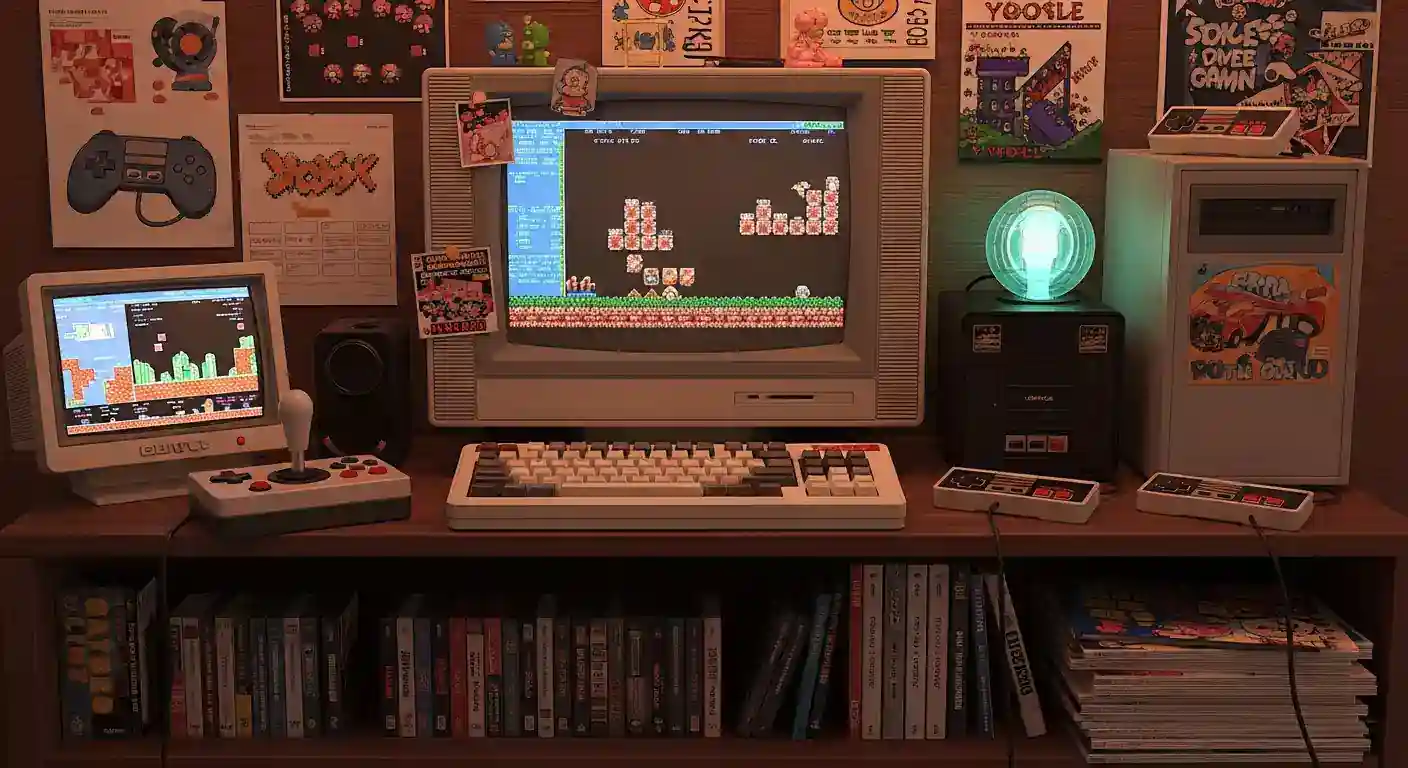
Key Milestones: How Online Multiplayer Gaming Defined Modern Gaming Experiences
The landscape of gaming has undergone a profound transformation, largely driven by the relentless evolution of online multiplayer gaming. What began as rudimentary connections between a handful of players has blossomed into a global phenomenon, shaping not just how we play, but also how we interact, compete, and build communities. This article will chart the transformative journey of online multiplayer gaming, exploring the pivotal innovations and cultural shifts that have made it an indispensable cornerstone of modern entertainment.
From text-based adventures to immersive virtual worlds, the core value proposition of connecting players has consistently pushed technological boundaries and redefined what's possible in interactive media. Understanding these key milestones helps us appreciate the depth of its impact on the industry and its enduring influence on players worldwide.
Key Points:
- Early Connectivity: The foundational role of MUDs and LAN parties.
- Persistent Worlds: The rise of MMORPGs and long-term engagement.
- Esports Explosion: Competitive gaming transforming into global spectacles.
- Social & Cross-Platform Play: Unifying player bases and fostering communities.
- Future Frontiers: Cloud gaming, metaverse concepts, and enhanced accessibility.
The Dawn of Online Multiplayer Gaming: Early Innovations
The concept of online multiplayer gaming wasn't born with the internet as we know it today, but rather from early experiments in digital connectivity. These pioneering efforts laid the groundwork for the rich, interconnected gaming experiences we enjoy today. The initial steps were modest but revolutionary, igniting a spark that would eventually engulf the entire industry.
Pre-Internet Pioneers: MUDs and Bulletin Board Systems
Before the widespread adoption of the World Wide Web, the first true online multiplayer experiences emerged from Multi-User Dungeons (MUDs). These text-based virtual worlds, often accessible via Bulletin Board Systems (BBS) or early academic networks, allowed players to interact with each other and the game environment in real-time using typed commands. MUDs fostered a sense of community and provided the first glimpse into persistent, shared digital spaces, demonstrating the innate human desire for social interaction within games. Titles like Essex MUD (1978) and AberMUD (1987) were instrumental in these early explorations.
The Local Area Network (LAN) Era
As personal computers became more powerful, a new form of multiplayer emerged: Local Area Network (LAN) gaming. Games like Doom (1993) and Quake (1996) popularized the thrill of direct, low-latency competition among players in the same physical location. LAN parties became a cultural phenomenon, bringing gamers together to physically connect their machines and engage in intense, face-to-face battles. This era solidified the demand for competitive, real-time multiplayer action, showcasing the visceral excitement of direct human versus human interaction.
Pivotal Titles and Technological Leaps in Multiplayer Experiences
The late 1990s and early 2000s marked a significant acceleration in multiplayer experiences, driven by technological advancements like broadband internet and more powerful gaming consoles. This period saw the birth of truly massive online worlds and the standardization of online console play.
Persistent Worlds and MMORPGs
The advent of broadband internet ushered in the golden age of Massively Multiplayer Online Role-Playing Games (MMORPGs). Games like Ultima Online (1997) and EverQuest (1999) created expansive, persistent virtual worlds where thousands of players could simultaneously embark on quests, form guilds, and shape dynamic economies. The genre reached its zenith with World of Warcraft (2004), which introduced millions to the concept of subscription-based, long-term social engagement. These titles proved that players craved not just competition, but also rich social interaction and communal storytelling within games.
The Console Revolution and Broadband Internet
While PC gaming spearheaded early online endeavors, consoles eventually caught up. The launch of Xbox Live in 2002, followed by the PlayStation Network, democratized online gaming, bringing it to the living room. Games like Halo 2 (2004) and subsequent entries in the Call of Duty series became benchmarks for competitive online console play, making matchmaking and voice chat standard features. This period was crucial for expanding the reach of online multiplayer to a broader, more casual audience, fundamentally changing how console games were designed and enjoyed.
The Rise of Esports and Competitive Online Gaming
The growth of online multiplayer gaming naturally led to the professionalization of play. What began as informal tournaments evolved into a multi-billion dollar industry known as esports.
Professionalizing Play: From Community Tournaments to Global Spectacles
Early competitive scenes formed around games like StarCraft: Brood War in Korea, but modern esports truly exploded with titles like Dota 2 and League of Legends. These games, characterized by deep strategic gameplay and dedicated player bases, attracted massive viewership both online and at live stadium events. Prize pools soared into the millions, turning professional gamers into household names. According to a 2024 analysis by Newzoo, the global esports audience is projected to exceed 640 million by 2027, highlighting the immense cultural impact of competitive online gaming. This transformation underscored the entertainment value of watching skilled players compete at the highest level.
Streaming and Content Creation's Impact
The rise of platforms like Twitch and YouTube Gaming further amplified the visibility of online gaming. Professional players and content creators began streaming their gameplay, offering both entertainment and educational value. This symbiotic relationship between esports and streaming has created a vibrant ecosystem where fans can not only watch professional matches but also connect directly with their favorite players and communities. This accessibility has played a significant role in expanding the reach and influence of gaming culture. For those interested in how professional play has shaped the industry, you can explore the competitive landscape.
Social Integration and Community Building in Modern Multiplayer Games
Today, modern multiplayer games are as much about social connection as they are about gameplay. Developers actively design experiences that foster community and enable seamless player interaction.
In-Game Communication and Social Features
Modern titles integrate sophisticated communication tools, from in-game voice chat to robust guild systems and friend lists. Games like Fortnite and Among Us demonstrate how simple yet effective social mechanics can create cultural phenomena, even among non-traditional gamers. The ability to easily connect, collaborate, or simply hang out with friends in a virtual space has become a primary draw. This emphasis on social infrastructure has made games a powerful platform for forming and maintaining friendships, blurring the lines between online and offline social circles.
Cross-Platform Play and Breaking Barriers
One of the most significant recent trends in online multiplayer is the widespread adoption of cross-platform play. Games like Call of Duty: Warzone and Apex Legends allow players on different consoles and PC to team up and compete together. This innovation has been instrumental in unifying player bases, breaking down hardware barriers, and ensuring healthier matchmaking pools. In my experience, the push for cross-platform play by major developers, as observed in recent updates by Epic Games (2023), significantly enhances the longevity and social appeal of titles, ensuring a more vibrant and accessible gaming ecosystem for everyone involved.
Future Frontiers: What's Next for Online Multiplayer?
The evolution of online multiplayer gaming is far from over. New technologies and concepts continue to promise even more immersive and accessible experiences.
Cloud Gaming and Accessibility
Cloud gaming services like Xbox Cloud Gaming and NVIDIA GeForce Now are poised to revolutionize how we access online multiplayer games. By streaming games directly to a multitude of devices – from smart TVs to mobile phones – these platforms significantly lower the barrier to entry, potentially bringing high-fidelity online gaming to anyone with a stable internet connection. This paradigm shift could lead to an unprecedented expansion of the player base, fostering new demographics of gamers who traditionally lacked access to dedicated hardware.
Metaverse Concepts and Immersive Experiences
The concept of the metaverse, while still in its nascent stages, represents a compelling future for online multiplayer. Platforms like Roblox and VRChat already offer glimpses into persistent, interconnected virtual spaces where users can create, socialize, and play in user-generated content worlds. The ultimate vision involves a seamless integration of digital and physical realities, offering truly immersive and collaborative experiences that go beyond traditional game formats. This trend, bolstered by advancements in VR/AR technology, promises an even deeper level of social and creative engagement.
FAQ Section
What was the first major online multiplayer game?
While "major" can be debated, Multi-User Dungeons (MUDs) like Essex MUD (1978) are widely considered the earliest foundational online multiplayer experiences. These text-based games, accessible via early networks, allowed multiple players to interact in a shared virtual space. On a broader commercial scale, Ultima Online (1997) is often cited as the first truly successful Massively Multiplayer Online Role-Playing Game (MMORPG), ushering in the era of persistent online worlds for a wider audience.
How has online multiplayer changed game development?
Online multiplayer gaming has profoundly reshaped game development by shifting focus from single-purchase, finite experiences to ongoing, live-service models. Developers now prioritize server infrastructure, anti-cheat measures, content updates, and community management as core components. This necessitates a continuous dialogue with players and an agile development pipeline, often leading to games designed for long-term engagement and monetization through battle passes or cosmetic items. This fundamental shift influences everything from initial concept to post-launch support.
What is cross-platform play and why is it important?
Cross-platform play allows gamers on different hardware (e.g., PC, PlayStation, Xbox, Nintendo Switch) to play together in the same online multiplayer matches. It is incredibly important because it breaks down device-specific barriers, unifying player bases and creating larger, healthier matchmaking pools. This not only enhances the social experience for friends with different systems but also extends the longevity and vibrancy of games by ensuring a consistent stream of available players. It represents a significant step towards a more inclusive and accessible gaming future.
What are the biggest challenges facing online multiplayer gaming today?
Today's online multiplayer gaming faces several key challenges. Maintaining a fair play environment through robust anti-cheat measures is an ongoing battle against malicious actors. Combating toxicity and fostering positive communities through effective moderation tools remains critical. Additionally, ensuring stable server performance, low latency, and efficient content delivery across diverse global networks is technically complex. Lastly, the high cost of development for live-service games and player fatigue from similar monetization models present significant business challenges.
Conclusion & Call to Action
The journey of online multiplayer gaming is a compelling narrative of innovation, community building, and cultural transformation. From its humble beginnings in text-based MUDs to the global phenomenon of esports and the promise of the metaverse, it has consistently redefined what it means to play games in the modern era. These key milestones highlight not just technological progress, but also the enduring human desire for connection, competition, and shared experiences within digital worlds. The continuous evolution of online multiplayer gaming confirms its central role in the future of entertainment.
What has been your most memorable online multiplayer experience? Share your thoughts and stories in the comments below! Don't forget to subscribe to our newsletter for more insights into the latest gaming trends and new game releases that continue to push boundaries. If you're eager to deep dive into specific titles that exemplify innovative design, check out our selection of best live-service games.
Recommendation for future updates:
- Deep Dive into Specific Game Engines' Impact on Multiplayer: How engines like Unreal or Unity have facilitated complex online interactions.
- The Psychological Impact of Social Gaming: Exploring the benefits and drawbacks of intense online social interaction.
- Monetization Models and Player Retention: A detailed analysis of how business strategies have evolved alongside multiplayer technology.